


HTTP/2 200 date: Mon, 11 May 2020 15:15:50 GMT content-type: text/html; charset=UTF-8 set-cookie: __cfduid=d01352c34c4cceb99af08823c5b0ee2601589210150; expires=Wed, 10-Jun-20 15:15:50 GMT; path=/; domain=.nfcw.com; HttpOnly; SameSite=Lax; Secure link: ; rel="https://api.w.org/", ; rel=shortlink cache-provider: CLOUDWAYS-CACHE-DC last-modified: Mon, 11 May 2020 14:56:22 GMT vary: Accept-Encoding age: 1169 x-cache: HIT cf-cache-status: DYNAMIC expect-ct: max-age=604800, report-uri="https://report-uri.cloudflare.com/cdn-cgi/beacon/expect-ct" server: cloudflare cf-ray: 591cdb9178a273f1-IAD alt-svc: h3-27=":443"; ma=86400, h3-25=":443"; ma=86400, h3-24=":443"; ma=86400, h3-23=":443"; ma=86400 cf-request-id: 02a5e78eed000073f14e1ea200000001 NXP explains how NFC healthcare labels and packaging can be used to combat the spread of Covid-19
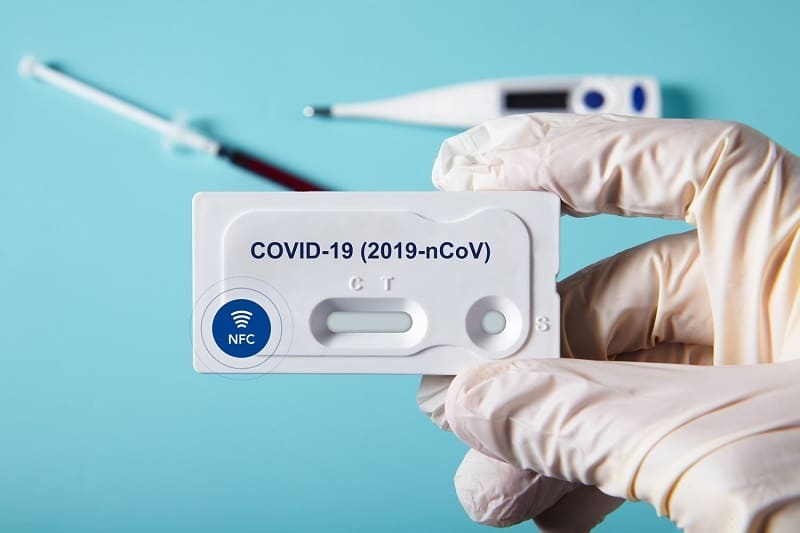
- Product information: By tapping their smartphones to the product label or package, consumers can learn about a medication and how best to use it.
- Consumer education: Intelligent packages can link to websites or apps that separate fact from fiction and direct consumers to relevant health agencies.
- Tailored content: Packaging with opening-status detection can be used to deliver tailored content to the consumer, based on whether the product or package label is still factory sealed or