


Bitcoin Group SE, a prominent member of the European crypto industry, has been preparing to apply for permission to conduct crypto custody activities in its home country, Germany. The providers of such services in the Federal Republic are now recognized as financial institutions. Bitcoin Group, which has been in the business for some time, welcomes the changes that introduced licensing to the sector. Starting from Jan. 1, 2020, banks and other institutions are allowed to store and manage clients’ crypto assets.
Bitcoin Group Confirms Plan to Obtain Crypto Custody Permit
As the organization behind one of the largest crypto trading platforms in Europe, Bitcoin Group SE has already established itself as a major custodian of digital assets in Germany. Its fully owned subsidiary, Bitcoin Deutschland AG, operates Germany’s leading regulated marketplace for cryptocurrencies such as BTC, BCH and ETH. The investment group is also owner of Futurum Bank AG and holds 50% of the shares of Sineus Financial Services GmbH, an entity supervised by the German financial watchdog, Bafin.
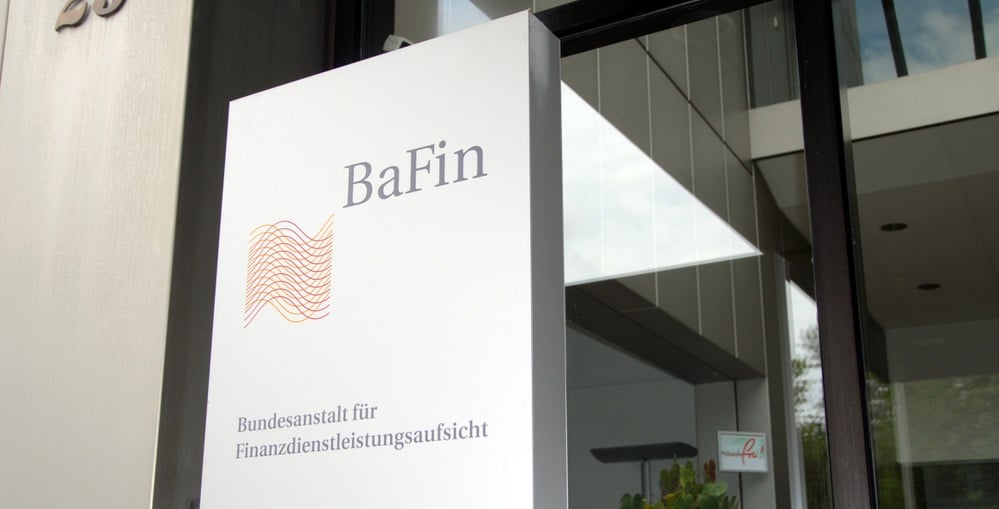
In December, Bitcoin Group announced it plans to apply for crypto custody permission for its companies from the Federal Financial Supervisory Authority. It hopes to expand its positions in the market for these types of services and the acquisition of Futurum Bank AG, which was approved by Bafin, creates new opportunities to attract institutional clients. Securing a license became necessary following last year’s adoption of legislation transposing EU’s Fourth Anti-Money Laundering Directive into national law.
The new regulations entered into force on Jan.